Microplastics — plastic fragments smaller than 5 mm, right down to nano-scale — have turned up in rivers, rain, soil and, yes, drinking water. It is a fast-moving research field, and it is worth understanding honestly, including where our own machines fit.
What the research suggests
Larger studies have found microplastics in the majority of bottled waters tested, and a 2024 study using new imaging methods estimated on the order of 240,000 tiny plastic particles per litre in common bottled water — far more than most tap water. Alongside these, many smaller laboratory studies, some not yet widely replicated, are exploring where the particles come from and how they behave. This early work is genuinely preliminary — interesting signals, not settled conclusions — and we flag it as such.
Do home devices — including ours — help?
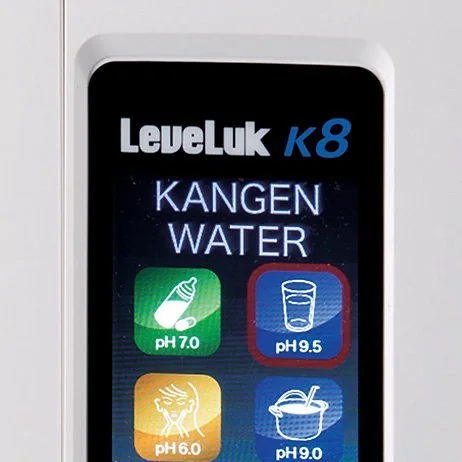
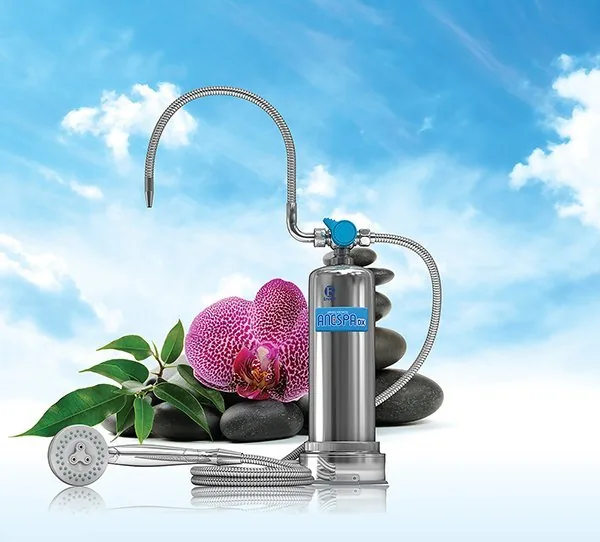
Here is the honest answer. The electrolysis in a Kangen machine changes the water's pH and hydrogen content; it does nothing to plastic particles. The built-in FC1 filter is an activated-carbon filter designed and certified for chlorine and taste, not for microplastics. Carbon-block filters can physically trap some microplastics — mostly larger particles — but the FC1 is not specifically tested or certified for that, and no simple filter stops the smallest nanoplastics. So we will not tell you it 'removes microplastics'.
The clearest, provable win is not a filtration claim — it is that making your own water means you stop drinking from plastic bottles, which the research links to far higher particle counts.
The sensible takeaway
If microplastics concern you, the strongest, evidence-based steps are simple: favour tap over bottled water, avoid heating food and drink in plastic, and if you want the highest level of filtration specifically for particles, look at filters independently tested to a microplastics standard. A Kangen machine's real contribution here is displacing single-use bottles — an honest, useful benefit, and not a miracle.